How Thermal and Moisture Inspections Help Prevent Mold Growth During Mold Inspection in Freehold, NJ
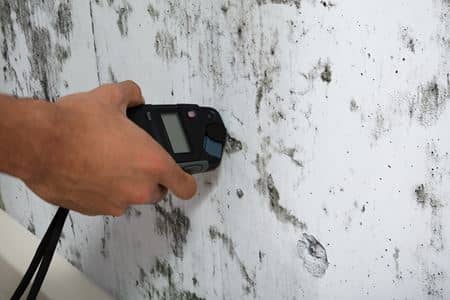
If you are worried about mold, a thorough mold inspection in Freehold, NJ should always include thermal imaging and targeted moisture readings. These tools help our team at Clean World Solutions find damp areas that the eye can’t see, so we can confirm the source and stop mold before it spreads. When results point to elevated moisture or suspected growth, we guide you through next steps and, when appropriate, provide mold testing for lab-backed answers.
Why Thermal Imaging Matters During a Mold Inspection
Thermal cameras read surface temperature patterns. Water evaporates and cools the surface around it, leaving distinct cooler shapes on drywall, trim, or ceilings. That contrast helps us zero in on hidden moisture behind paint or tile without opening your walls.
- Finds “cold” evaporation spots where leaks travel inside assemblies
- Maps the edges of damp areas to guide precise verification
- Speeds up inspections in finished spaces so disruption stays low
Thermal is a map, not a verdict. We always confirm with professional moisture meters and related tools before calling anything wet or risky.
How Moisture Inspections Work In Freehold Homes
Once thermal shows a suspect pattern, we verify it with calibrated moisture meters. Pinless meters scan finishes without leaving marks. Pin meters then measure inside materials for accuracy. We also check temperature and relative humidity to understand the room’s conditions.
In homes across Freehold Borough and Freehold Township, this layered approach matters. Older homes near downtown may hide slow plumbing leaks behind plaster, while newer builds in West Freehold or near Colts Neck can trap moisture in tight wall cavities after heavy summer storms.
Hidden Moisture Patterns We See Around Freehold
Every house tells a story through its materials. Here are patterns we often uncover during property moisture assessment work:
- Bathroom ceilings below disconnected or poorly sealed exhaust vents
- Basement rim joists where humid summer air condenses on cooler lumber
- Window corners on windward walls after nor’easters and fall rain
- Behind kitchen backsplashes where a tiny supply-line seep travels sideways
- Attic sheathing near valleys and penetrations after freeze-thaw cycles
Do not ignore a musty odor that’s strongest after rain or first thing in the morning. Smell is often the first clue that moisture remains trapped in a wall or floor system.
Thermal And Moisture Findings That Point To Mold Risk
Thermal alone never proves mold, but certain patterns strongly suggest risk. For example, a ceiling halo that keeps growing weeks after repainting, paired with high meter readings, often means an active leak. A cold, vertical thermal track down an interior wall with elevated readings can signal a pipe issue. In basements, thermal can show cool outlines of water wicking through masonry, later confirmed by meter and visual signs like efflorescence.
When we see these clusters of evidence, we document locations, materials, and conditions, then explain whether a targeted plan or further mold testing makes sense.
Local insight: late-summer humidity and fall storms in Freehold can load wall cavities with moisture even when surfaces look fine. A quick moisture inspection before heating season helps catch problems early and protects finishes you want to keep.
Our Tools: What We Use And Why It Helps You
Accurate data builds trust. We use:
Infrared cameras to rapidly screen surfaces and guide where to test. Pinless and pin-type moisture meters to measure inside materials. Hygrometers to record temperature and RH, since indoor conditions can drive condensation. When needed, borescopes allow a look inside small cavities with minimal disturbance. This measured approach helps us separate old stains from active moisture so you can make clear decisions.
Seasonal Mold Risk In Freehold, NJ
Freehold’s weather swings create different risk windows throughout the year:
Act within 24 to 48 hours after water intrusion to limit mold-friendly conditions.
Spring brings roof and flashing challenges during long rains. Summer adds high humidity that condenses on cool basement and crawlspace surfaces. Fall nor’easters drive water into siding and around windows. Winter freeze-thaw opens tiny pathways, sending meltwater into wall systems. Each season changes where we look and what we expect to find, especially in neighborhoods near low-lying areas or older stormwater routes.
Moisture Problems In Walls: What They Look Like
Wall issues can be subtle. Thermal may reveal ladder-like cool bands following studs. Meters confirm high readings along baseboards where capillary action moves water upward. Paint might bubble in tiny clusters. On exterior walls, intermittent lines can appear a day or two after rain. In finished basements, trim that separates slightly at corners often points to swelling from humidity or seepage.
Want more signs to watch for? Read our quick guide on how to spot hidden water damage so you know when to call.
Thermal Imaging For Water Damage Versus Mold Testing
Thermal imaging and moisture inspection show us where water is or was. Mold testing answers what is present in the air or on surfaces. If your home in East Freehold or near Rt. 9 shows elevated moisture and rooms with musty air, sampling can establish a baseline, verify cleanup results, or help identify whether a space is clear to reoccupy.
Testing confirms what thermal shows by connecting conditions to lab results. This pairing is the most reliable way to validate a dry standard and restore healthy indoor air.
Real-World Example From Around Freehold
After a late-summer storm, a family in Freehold Township noticed a ring forming on a bedroom ceiling under the attic. Thermal scanning mapped a cool path from a roof valley to a light fixture. Pin readings at the ceiling edge were high, while the adjacent wall tested normal. We recommended targeted opening at the smallest point, drying, and follow-up verification. Because moisture was caught early, materials were saved and odor never developed. That is the benefit of pairing thermal with meter-based confirmation.
When To Request A Mold Prevention Inspection
Call for an inspection if any of these sound familiar:
- A stain that returns weeks after repainting a ceiling or wall
- Musty odors that peak after rain or first thing in the morning
- Warped flooring, soft drywall, or baseboards pulling away
- A recent leak that was dried without measurement or documentation
Curious what happens next if we find active moisture? Our team explains a step-by-step plan and, if appropriate, may recommend remediation through our mold removal services once the moisture source is addressed.
What You Get From A Professional Moisture And Thermal Inspection
We start with your concerns, recent weather, and any past leak history. Then we scan, measure, and document. You will see photos, thermal images, meter readings, and clear notes. We explain whether the problem is ongoing, isolated, or historical. We also outline practical next steps that fit your home’s materials and the season in Freehold, NJ.
Never paint over stains or odors to “see what happens.” Covering a symptom delays action and can trap moisture longer, increasing the risk of hidden growth.
Build A Dry, Healthy Home With Local Expertise
Whether you live near downtown Freehold Borough, off Schanck Road in the Township, or closer to Marlboro and Manalapan, local weather and building styles shape where moisture hides. That is why using thermal imaging with proper moisture confirmation is so valuable. The right data means the right fix the first time.
If an area needs confirmation beyond inspection, our team can coordinate professional sampling so you get clear, lab-backed results. You can learn more about the process on our service page for mold testing, or start by calling 848-863-6394 to talk through your situation with a specialist.
Ready To Protect Your Home In Freehold, NJ?
Thermal and moisture inspections catch problems early, save finishes, and help prevent mold from returning. For trusted mold inspection in Freehold, NJ backed by clear measurements and local insight, reach out to Clean World Solutions today. We are ready to help you create a dry, healthy home.
Call 848-863-6394 or visit our page on mold testing to get started with a pro who will treat your home like their own.

See Visible Mold? Smell A Musty Odor? Difficulty Breathing?
Contact Clean World Solutions Today!


