How to Spot Hidden Water Damage Before It Leads to Bigger Problems
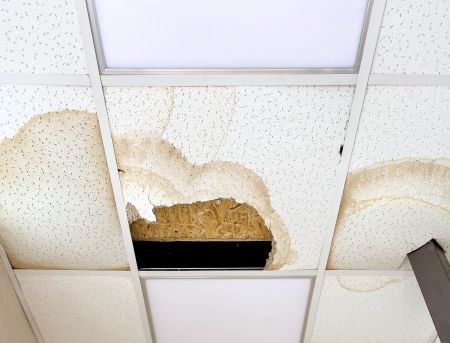
Hidden water damage is sneaky, but the warning signs are there if you know where to look. As a local mold removal and restoration team, Clean World Solutions helps homeowners spot issues early and fix moisture problems the right way. If you catch damage fast and call for water damage restoration, you reduce the chance of mold growth, warped materials, and structural problems.
Questions about a stain or musty odor you keep noticing? Call us at 848-863-6394 and a friendly specialist can help you decide the next step.
Why Hidden Water Damage Is So Hard To See
Water rarely announces itself with a burst pipe. Most problems start small and travel behind walls, under floors, and through insulation. Modern homes use layered materials that can hide a slow leak for months while quietly soaking drywall or subflooring.
Gravity draws water down, but capillary action can also pull moisture up through porous materials like wood and concrete. Heating and cooling cycles push damp air into cavities where condensation forms. Over time, that trapped moisture weakens framing, loosens fasteners, and feeds microbial growth.
Because the earliest clues are subtle, homeowners often chalk them up to age or normal settling. That delay is what turns a small fix into a big repair. Learning the typical signals in each part of the home helps you act quickly and protect your investment.
Early Warning Signs By Room
Kitchens and Bathrooms
These rooms have the most plumbing and the greatest risk of slow, hidden leaks. Watch the base of sinks, the toe-kick under cabinets, and the flooring where appliances meet the wall. Discoloration, soft spots, or gaps in caulk can hint at problems behind the finish materials.
Tile grout that keeps darkening after cleaning, a vanity that smells musty, or laminate that swells near a dishwasher are all red flags. Musty odors that return after cleaning often mean moisture is still present.
Basements and Crawlspaces
Basements and crawlspaces are moisture magnets because cooler air and concrete surfaces promote condensation. Efflorescence, the white, powdery film on foundation walls, indicates water movement through masonry. Rust on metal ductwork, peeling paint, and loose floor tiles are common early signs.
Check for irregular dark lines at the base of foundation walls or near floor cracks. If stored cardboard boxes feel damp or smell earthy, that space likely has chronic humidity or intermittent seepage.
Attics and Ceilings
Roof leaks do not always drip straight down. Water can travel along rafters and appear in a different room. Light brown ceiling halos around fixtures and faint lines radiating from drywall seams are typical tells. Discoloration that keeps spreading is a sign that water is traveling.
In the attic, compressed or matted insulation near vents, darkened sheathing, and rusty nail tips indicate moisture intrusion. Winter ice dams and wind-driven rain are common culprits.
Living Areas and Bedrooms
Look for baseboard separation, cupped hardwood, and paint that forms small bubbles or hairline cracks. A door that sticks only after a storm, or a window trim joint that keeps reopening, can mean the wood has absorbed moisture. Carpet with a persistent “wet dog” smell, even after vacuuming, points to damp padding.
Local insight: after heavy rain or rapid snowmelt, the first signs often show up where two materials meet. Focus on baseboards against exterior walls, around sliding doors, and at ceiling transitions near roof valleys.
Safety note: if you suspect contamination from gray or black water, avoid touching the area and keep pets and kids away until a professional assesses it.
Subtle Clues Most People Miss
Some signals are easy to overlook because they seem like normal wear. Keep these patterns in mind when something feels “off.”
- A faint, repeating stain that returns weeks after repainting a ceiling or wall.
- Sudden spikes in utility usage when your household routine has not changed.
- Fine dust or new hairline cracks along a single wall that correspond with a gutter or downspout outside.
- Floorboards that creak in a new spot or feel slightly spongy underfoot.
- Rust-colored rings on HVAC registers or around recessed lights.
Moisture, Mold, And Health Risks
Where there is persistent moisture, microscopic spores find a home. That is why a qualified mold removal team pairs moisture control with cleaning and containment. Mold can begin to grow on damp cellulose surfaces and spread within wall cavities where air is still and humid.
Sensitive individuals may notice congestion, coughing, or irritated eyes in certain rooms. You might also hear a faint buzzing from outlets if moisture is affecting connections, which is a safety risk. A professional will isolate affected areas, capture airborne particles through filtration, and address the moisture source to prevent growth from returning.
You can explore more context on hidden water damage and prevention steps across our site, then talk with our team about the right path for your home.
What Professionals Look For During A Water Damage Inspection
Experienced technicians do not guess. They measure and confirm. Moisture meters reveal dampness inside drywall and trim. Thermal cameras show cooler patterns where evaporation is occurring behind finishes. Hygrometers track indoor relative humidity and temperature to understand whether air conditions are contributing to the problem.
Pros also read the building. They follow water’s likely path from roof to foundation, check transitions where materials meet, and consider recent weather. They document affected materials to determine the best restoration methods and how to return your home to a dry standard.
When testing points to active moisture or recurring intrusion, a targeted plan prevents further spread. This plan may involve controlled removal of damaged finishes, drying with dehumidification and air movement, and cleaning or sealing materials to discourage future issues. The goal is to solve the moisture problem at its source and restore your living space to a safe condition.
How Weather And Seasons Shape Risk
Seasonal shifts affect where hidden water damage starts. Spring brings heavy rain that challenges roofs, flashing, and gutters. Summer humidity loads the air with moisture that condenses on cool surfaces, especially in basements. Fall winds drive rain into siding, and winter freeze-thaw expands tiny openings that become leak points.
Homeowners also change routines with the seasons. You might run exhaust fans less in winter or stack storage closer to exterior walls during holidays. These small changes can trap air, hide dampness, or block airflow needed to keep surfaces dry.
Keep an eye on areas that historically struggle in your neighborhood, like older valleys on roofs, shaded sides of homes, and low spots near foundations. If you see new stains after rain, call a pro before the next storm. Quick action keeps minor moisture from turning into structural repairs.
When To Call A Specialist
It is always smart to get professional eyes on a potential moisture problem. Consider reaching out right away if any of the following sound familiar:
- Stains or rings that spread after repainting or cleaning.
- Musty odors that are strongest in the morning or after rain.
- Warped flooring, soft drywall, or baseboards pulling from the wall.
- Condensation on windows paired with chilly surfaces near exterior walls.
- Any past leak that was “dried out” without proper containment or measurement.
Early involvement from a qualified team reduces drying time and helps protect finishes you want to keep. If tests confirm damage, starting home water damage repair quickly limits the spread and reduces the risk of secondary problems such as odors and microbial growth.
Protect your home from hidden water damage by scheduling a professional water damage inspection with Clean World Solutions today.
What You Can Expect From A Professional Visit
Your technician will listen to your concerns, ask about recent weather and past leaks, and then conduct a structured assessment. They will map moisture, document findings, and discuss options to stabilize the area. You will understand which materials are affected, what steps are recommended, and how long drying and monitoring typically take.
Transparency matters. You will know what will happen in your home each day and how your belongings will be protected. Our team treats your space with care and keeps pathways clean, so your household can function safely during the process.
Get Ahead Of Damage With A Simple Plan
Small habits make a big difference. Keep gutters clear, point downspouts away from the foundation, and look over ceilings and window corners after major storms. Walk through rooms each season with fresh eyes and trust your nose. Moisture has a smell, and it is easier to address early than to fix later.
When you are ready to move from concern to confidence, start with a conversation. Visit our water damage restoration page to see how Clean World Solutions approaches drying and cleanup with care, and how our mold removal expertise helps prevent problems from recurring.
Even if you are still researching and gathering information about hidden water damage, our team is here to help you understand the signs, the risks, and the safest next step for your home.
For fast, respectful service from a local mold removal and restoration team, call us at 848-863-6394. Moisture that lingers invites bigger issues, so a timely assessment is the smartest move.

See Visible Mold? Smell A Musty Odor? Difficulty Breathing?
Contact Clean World Solutions Today!


