What Homeowners Should Do in the First 24 Hours After Fire Damage
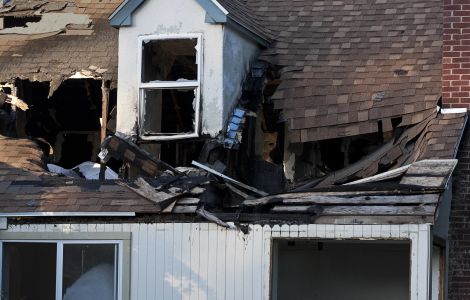
The first day after a house fire can feel overwhelming. You are making fast decisions while trying to protect your family and your property. This guide walks you through practical, safety-first steps to help you move forward and work smoothly with your insurance and a qualified team for fire damage restoration.
Safety Comes First
Fires leave behind hidden risks such as weakened framing, sharp debris, and soot that can irritate lungs and skin. Wait for an all-clear from first responders before approaching the structure, and use sturdy closed-toe shoes and gloves if you are allowed inside briefly.
Do not enter the home until fire officials say it is safe. Even a small-looking fire can compromise stairs, ceilings, or roof trusses. If you smell gas, hear sparking, or see sagging ceilings, stay out and alert your utility provider and local authorities.
Do not try to power on electricity, gas, or appliances. Turning systems back on too early can cause further damage or injury. Utilities are often shut off at the street after a fire; let licensed professionals restore service when it is safe.
Start The Right Calls
Begin with your insurance carrier’s claims line. Ask how to document the loss, where to send photos, how to handle urgent protective measures like board-up or roof tarping, and what immediate living expenses may be covered. Keep the claim number handy and start a simple log with dates, times, and names of everyone you speak with.
Next, contact a trusted local team for assessment and coordination. If you need help planning next steps with confidence, reach out to Clean World Solutions at 848-863-6394 to discuss your timeline and priorities.
If you rent, also notify your landlord or property manager right away. They may handle building-level repairs while you manage your personal property claim.
Document And Protect Evidence
Photos and short videos help tell the story of what happened and support your claim. Capture each affected room from multiple angles, including ceilings, light fixtures, windows, doors, and flooring. Open cabinets and closets carefully if it is safe to do so, and take pictures before moving anything.
Make a simple list of damaged items. Include brand, model, approximate age, and where you bought them if you know it. Save receipts for temporary housing, meals, clothing, pets, and emergency supplies, since many policies reimburse reasonable costs related to the loss.
Avoid throwing items away until your adjuster confirms. If something poses a health risk, seal it in a clear bag or box, label it, and note why it could not be stored.
Secure The Property Against Further Damage
Most policies expect homeowners to take reasonable steps to protect the home from weather and trespassers. That can include professional board-up of broken windows and doors, temporary roof tarps, and rekeying exterior locks. A qualified restoration firm coordinates these urgent measures and documents them for your file.
Exterior security lights and motion cameras can deter curiosity seekers, but only set them up from outside if the structure is not cleared for entry. If you need a team to evaluate structural safety and plan cleanup, review how professional fire and smoke damage repair works and what to expect in the next few days.
Air Quality And Odor Concerns
Soot particles are tiny and corrosive. They cling to surfaces and can spread through air movement, making cleanup harder if disturbed. Children, older adults, and those with asthma or allergies can be more sensitive, so consider staying elsewhere until air quality improves.
Keep your HVAC system off until a professional cleans and clears the system. Running the unit can circulate soot through ductwork and across every surface. Avoid fans that stir the air. If the home is safe to enter and the weather is mild, you may crack a few windows for brief, gentle ventilation, but do not leave the home unsecured or introduce humid outdoor air that can set soot stains.
Local tip: if humidity is high or it’s raining, avoid opening windows for long periods. Moisture can make soot bond to walls, ceilings, and textiles, which complicates odor removal and extends the restoration timeline.
What To Gather And Save
If officials allow brief entry, collect only essentials you truly need for the next few days. Place items in clean plastic bins or bags, label them, and keep them away from unaffected belongings.
- IDs, insurance papers, medical information, credit and debit cards
- Prescription medications, glasses or contacts, hearing aids
- Short-term clothing and basic toiletries, sealed separately from smoky items
- Important keepsakes that are easy to carry and not heavily damaged
Do not attempt to wash, wipe, or vacuum soot-covered belongings. Soot can smear and set stains. Specialized cleaning methods and solutions are designed to lift residues without pushing them deeper into fibers or finishes.
A Simple First-Day Timeline
Use this quick timeline to pace your actions and reduce stress. Adjust the order to fit your situation and safety guidance from officials.
- Hour 0–1: Ensure everyone is safe and accounted for. Confirm pets are secure. Wait for clearance before reentering. Call your insurance carrier and start a claim log.
- Hour 1–4: Arrange board-up and temporary weather protection through qualified pros. Photograph rooms and large items from outside or entry points if allowed. Identify what you must retrieve to get through the next 48 hours.
- Hour 4–24: Coordinate with an adjuster on next steps. Choose a restoration firm and schedule assessment. Save all receipts for temporary living needs and keep communication notes in one place.
Protect Surfaces And Contents Without DIY Cleaning
Small actions can prevent bigger problems, but avoid cleaning attempts that can spread soot or cause permanent marks. Do not wipe walls, ceilings, or counters. Do not launder smoky clothing or linens at home, since heat and moisture can lock in odors and discoloration.
If you have to move a light item, lift it gently and place it on clean paper or plastic to keep soot from transferring. Keep doors to heavily affected rooms closed to limit cross-contamination, and leave specialized cleaning to trained technicians who have the right materials and protective equipment.
How Pros Approach the First Phase
Professional teams follow a stepwise plan that protects your claim and your home. It typically includes safety checks, moisture and soot assessments, controlled removal of unsalvageable materials, stabilization to stop corrosion, and targeted odor control. Clear, room-by-room notes and photos back up the work and support fair coverage decisions.
When the structure is stabilized, contents are sorted into salvageable, questionable, and total loss categories. Items that can be restored are inventoried and cleaned with methods suited to their materials. The goal is to remove soot and odors without damaging finishes, electronics, or textiles.
Coordinate With Insurance Smoothly
Ask your adjuster what documentation they prefer. Some want photos grouped by room, others by category. Provide estimates and invoices for emergency stabilization and board-up promptly, and keep copies of everything you send.
If your policy includes temporary housing, ask about nightly limits, pet policies, and how to submit receipts. Track mileage to and from the property and any time you spend meeting inspectors or vendors if your carrier allows those expenses.
Plan The Next Steps
Once the site is secure and documented, your focus shifts to cleaning, deodorizing, and careful rebuilding. Learn the sequence so you know what comes when and why. If you want a clear overview of methods, explore fire damage restoration resources to understand how surface cleaning, material removal, and odor control fit together.
Your restoration partner will explain which materials are likely salvageable and which are not, based on safety and long-term performance. They will also outline how they protect unaffected rooms so work does not spread soot or moisture throughout the home.
Common Mistakes To Avoid
Rushing back into the home or trying to clean soot with household products can create permanent stains. Running fans and the HVAC system spreads residue and odor. Delaying the first call to your insurer can slow approvals for urgent protection work and temporary living costs.
Signing broad contracts you do not understand is another risk. Read agreements carefully and keep a copy. Ask for plain-language explanations of the scope and how changes will be handled if new damage is uncovered during restoration.
Your Trusted Local Partner
Clean World Solutions is here to help you make smart, confident decisions during a stressful time. Our team focuses on clear communication, careful documentation, and a clean, safe result you can feel good about. From emergency protection to final finishing, we coordinate with your adjuster and keep you informed.
Need reliable fire damage restoration now? Contact Clean World Solutions for priority support and a clear recovery plan.
When you are ready to take the next step, read more about professional fire damage restoration services and what to expect from the first walkthrough to the last detail. We are ready to help at 848-863-6394 so you have one less thing to worry about.

See Visible Mold? Smell A Musty Odor? Difficulty Breathing?
Contact Clean World Solutions Today!


